
The US is evacuating citizens from parts of the Middle East as conflict with Iran escalates, with charter flights arranged from some countries. However, many Americans remain stranded due to airspace closures and limited assistance. The war with Iran began on February 28, when the US and Israel reportedly launched surprise airstrikes on multiple sites across the country, killing Supreme Leader Ali Khamenei and several other senior Iranian officials.
The US urged citizens to leave Venezuela after reports that pro-government paramilitaries were targeting Americans, setting up checkpoints and searching vehicles, following a US raid that captured President Nicolás Maduro on January 3.
As the US and NATO forces withdrew from Afghanistan, the Taliban captured large swaths of territory across the country. As they advanced on the capital, the US Embassy urged American citizens to leave so as to avoid being caught in the conflict.
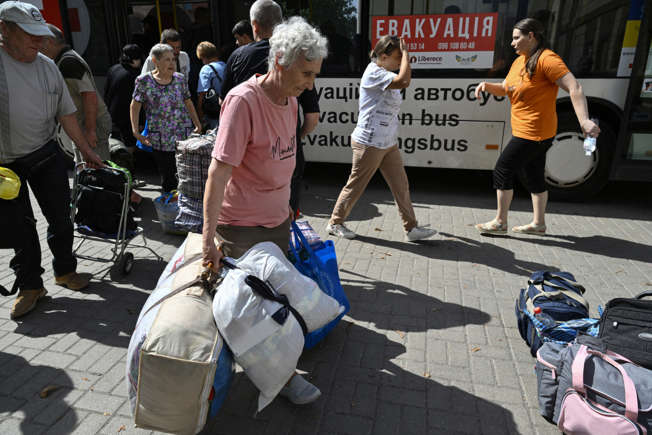
In February 2022, the US Embassy told Americans to leave Ukraine immediately as tensions with Russia escalated. By early 2022, Russia had established a large military presence along its border with Ukraine, as well as in Belarus and occupied Crimea. US intelligence assessments correctly concluded an invasion was likely, with the potential for widespread conflict.
In April 2023, the US Embassy in Khartoum advised its citizens to leave Sudan due to an outbreak of fighting between rival military factions. In 2023, Sudan experienced internal conflict, primarily between the Sudanese Armed Forces (SAF) and the Rapid Support Forces (RSF). The fighting led to widespread violence, and the US Embassy issued a warning that the intensity and unpredictability of the conflict made it dangerous for citizens.
In August 2023, the US Embassy in Haiti’s capital, Port-au-Prince, urged American citizens to leave as soon as possible due to escalating gang violence and civil unrest. In 2023, Haiti was experiencing significant political instability, including a lack of effective governance. An increase in gang violence led to widespread criminal activities, including kidnapping, extortion, and violent clashes.
The US Embassy advised Americans to leave Ethiopia in November 2021 due to escalating conflict between Ethiopian government forces and Tigray rebels. The Tigray conflict began in November 2020 between the Tigray People’s Liberation Front (TPLF) and the Ethiopian government. It escalated throughout 2021, leading to widespread violence and a risk to the safety of US citizens.
The US Embassy suspended operations in Yemem in 2015 and urged American citizens to leave the country due to escalating violence and the Houthi rebel takeover of the capital. In 2015, Yemen was experiencing severe conflict between the Houthi rebels and the internationally recognized government led by President Abd-Rabbu Mansour Hadi. The US Embassy issued the warning due to the intensity and spread of the conflict, which posed immediate risks to civilians and foreign nationals.
In July 2014, the US Embassy suspended operations in Tripoli and urged all American citizens to leave the country due to worsening security conditions. Civil conflict was rife in Libya following the ousting of Muammar Gaddafi in 2011, and by 2014, various militias were vying for power. The embassy emphasized that the deteriorating security situation made it unsafe for American citizens to remain in the country.
In July 2016, the US Embassy in Juba recommended that American citizens leave South Sudan due to a resurgence of violence in the capital. South Sudan was experiencing intense violence and instability in 2016, particularly in July, following the outbreak of fighting between forces loyal to President Salva Kiir and those loyal to then-Vice President Riek Macha.
In January 2019, the US Embassy in Caracas advised American citizens to leave Venezuela due to growing unrest. Venezuela was suffering a severe political crisis, with a power struggle between the government of President Nicolás Maduro and opposition leader Juan Guaidó. The political instability created a volatile environment, which posed risks to American citizens.
On January 3, 2020, a US drone strike killed Qasem Soleimani, an Iranian major general, near Baghdad International Airport. Following this, the U.S. Embassy urged American citizens to leave the country immediately. The US expected a retaliatory response from Iran, which could target US personnel and facilities in Iraq. Advising US citizens to leave the country was to mitigate the risk of Americans being caught in potential attacks.
In February 2012, the US Embassy suspended operations in Syria and urged all American citizens to leave the country as the civil war intensified. The Syrian civil war, which began in 2011, intensified in 2012. The conflict between the Syrian government and various opposition groups, including armed rebel factions, led to widespread violence, posing a severe risk to civilians and foreign nationals.
Following a military coup in January 2022, the US Embassy advised American citizens to leave Burkina Faso. The embassy expressed concerns about the ability to provide consular assistance in case of an emergency. Political turmoil and the military coup that overthrew President Roch Marc Christian Kaboré contributed to overall insecurity and uncertainty in the country. The US Embassy was concerned it could lead to widespread unrest, making the country unsafe for US citizens.
In 2006, the US Embassy advised American citizens to leave Lebanon due to the outbreak of conflict between Israel and Hezbollah. In July 2006, Hezbollah militants launched a cross-border raid into Israel and captured two Israeli soldiers. Israel responded with large-scale military operations in Lebanon. American citizens were advised to leave due to immediate and severe threats to safety.
In December 2013, the US Embassy urged its citizens to leave the Central African Republic due to civil unrest and increasing violence. In March 2013, the Séléka rebel coalition overthrew President François Bozizé, leading to a coup and significant political instability. The coup led to a breakdown of law and order, creating an unpredictable and dangerous situation.
The US Embassy advised American citizens to leave Zimbabwe in 2008 due to severe political unrest and escalating violence related to the presidential election crisis.
The 2008 presidential election in Zimbabwe between President Robert Mugabe and opposition leader Morgan Tsvangirai was highly contentious. In the period between voting, the country experienced widespread political violence, causing the US Embassy to urge its citizens to leave due to escalating violence and political turmoil.
Sources: (US Department of State) (US Embassy) (CNN)
