
Public holidays offer insight into a country’s culture, religious diversity, and historical milestones. While some nations emphasize religious observances, others commemorate national independence, seasonal festivals, or cultural heritage. The number of holidays can vary widely, reflecting unique social priorities and traditions. From spiritual rituals to patriotic celebrations, this gallery explores 30 countries with the highest number of public holidays.
Romania’s Orthodox Christian holidays, such as Easter and Christmas, are marked with rich traditions, family gatherings, and community celebrations. National Day on December 1 is marked with parades and fireworks, while Martisor on March 1 welcomes spring with red-and-white tokens of joy.
Lithuanians enjoy Catholic holidays like All Saints’ Day and the Assumption. Independence Days (yes, there are two!) and traditional celebrations like Joninės (midsummer festival) showcase the country’s love for folklore and freedom.
From Eid celebrations to Pakistan Day and Quaid-e-Azam Day, this nation blends Islamic faith with national pride. Religious observance is often mixed with communal joy and lavish family gatherings.
Tanzania celebrates both Christian and Muslim holidays. Independence Day and Union Day mark its national story, while Eid and Christmas unite the diverse population. There’s even a holiday for farmers, Nane Nane Day!
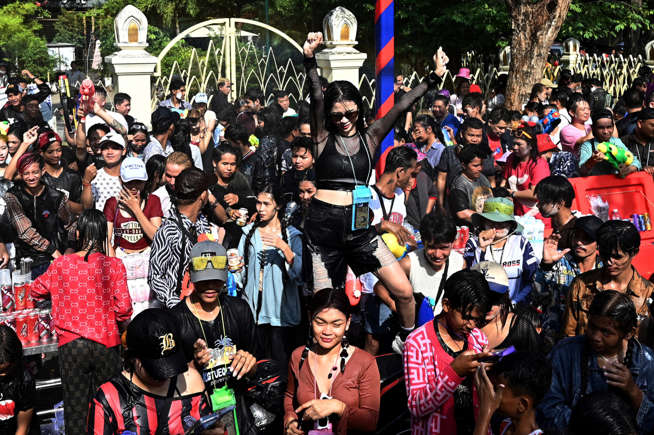
Thailand’s Songkran (New Year) is a nationwide water fight. Royal birthdays, Buddhist holidays, and Loy Krathong (floating lanterns) make the calendar sparkle.
Thailand’s Songkran (New Year) is a nationwide water fight. Royal birthdays, Buddhist holidays, and Loy Krathong (floating lanterns) make the calendar sparkle.
Taiwan celebrates Lunar New Year, Dragon Boat Festival, and Mid-Autumn Festival with flair. National Day in October is a grand affair. The mix of Chinese and Taiwanese traditions with modern spirit makes holidays vibrant and meaningful.
Morocco’s public holidays are largely Islamic, such as Eid al-Fitr, Eid al-Adha, and the Prophet’s birthday. Add in national days like Throne Day and Green March Day for a blend of devotion and patriotism.
Mongolia celebrates Naadam, a festival of wrestling, archery, and horse racing. Tsagaan Sar (Lunar New Year) brings family feasts and traditions. Influenced by both Buddhism and traditional shamanism, Mongolia’s holidays reflect its nomadic heritage and deep connection to the land.
Kazakhstan honors both its Soviet past and Muslim traditions. Nowruz (spring festival) is the crown jewel, while Constitution Day and Independence Day reflect national pride. Add in Eid and Victory Day, and you’ve got a rich lineup.
Japan’s Golden Week in May is legendary—a string of national holidays that make it perfect for travel. Other favorites include New Year (Shogatsu), Coming of Age Day, and Obon, when spirits of ancestors return home.
With six official religions, Indonesia’s holidays range from Eid and Nyepi (Day of Silence) to Christmas and Waisak (Buddha’s Birthday). Every major belief gets its moment, creating a tapestry of spiritual and cultural observances.
Icelanders love their long weekends, often escaping to nature. Public holidays like Þjóðhátíðardagurinn (National Day) and other national and religious observances are tranquil affairs, perfect for hot springs, hikes, and family.
From tango to revolution, Argentina’s holidays reflect its bold national spirit. Independence Day, Malvinas Day, and Catholic events mark the calendar. Plus, everyone gets the day off for soccer finals, even unofficially!
Blending East and West, Hong Kong celebrates Lunar New Year, Ching Ming, and Buddha’s Birthday, along with Christmas and Easter. Its mix of Chinese traditions and colonial legacy makes for a fascinating festival lineup.
Trinidad and Tobago is a carnival powerhouse, with a legendary pre-Lenten party. It also celebrates Hindu, Muslim, and Christian festivals, making it one of the most religiously diverse holiday calendars in the Caribbean.
Trinidad and Tobago is a carnival powerhouse, with a legendary pre-Lenten party. It also celebrates Hindu, Muslim, and Christian festivals, making it one of the most religiously diverse holiday calendars in the Caribbean.
A deeply Catholic nation, the Philippines celebrates Holy Week, Christmas, and dozens of saints’ feast days. Add to that Independence Day, Ninoy Aquino Day, and Eid al-Fitr.
Colombia embraces Catholic traditions, especially Semana Santa (Holy Week). Carnival in Barranquilla is a must-see. The country also marks labor, independence, and racial equality with public holidays, showing off its vibrant soul and strong faith.
Multicultural Malaysia celebrates Eid, Chinese New Year, Deepavali, and Christmas. Add in regional holidays and the king’s birthday, and you’ve got one of Southeast Asia’s most festive public calendars.
Lebanon’s diverse population ensures a rich holiday mix, with Muslim, Christian, and Druze festivals all finding a place. From Eid to Easter, its calendar reflects unity in diversity despite the country’s complex history.
Blending Portuguese and Chinese cultures, Macau’s holidays include Lunar New Year, the Feast of the Immaculate Conception, and Buddha’s Birthday. Gambling might be legal, but taking a day off is practically sacred here!
Chileans love their Fiestas Patrias, a September bash with rodeos and empanadas. The country also marks Catholic holidays, labor celebrations, and Indigenous People’s Day, offering a mix of culture, faith, and patriotic flair.
This tiny Alpine nation loves its holidays. National Day on August 15 is celebrated with fireworks and wine. With strong Catholic roots, it honors religious days like Assumption and All Saints’ Day in peaceful, picturesque surroundings.
Diverse and democratic, India celebrates everything from Diwali and Holi to Eid, Christmas, and regional New Year’s celebrations. Holidays vary by state, meaning someone’s always on a break somewhere. It’s a vibrant, non-stop carousel of culture and religion.
Cambodia’s biggest event is the Khmer New Year, a three-day national water fight. Other holidays like Pchum Ben (Ancestor Day) and Bon Om Touk (Water Festival) mix Buddhist rituals with joyous public celebrations.
From Eid to Durga Puja to the Bengali New Year (Pohela Boishakh), Bangladesh blends Islamic, Hindu, and secular holidays. Its rich cultural heritage ensures that nearly every month has something festive going on, including Independence and Victory Days.
Sri Lanka’s holiday calendar follows the full moon, giving it monthly Poya Days. Add in Sinhala and Tamil New Year, Vesak (Buddha’s birthday), and a mix of Christian and Muslim holidays, and this island paradise is constantly in celebration mode.
With 25 public holidays, Myanmar celebrates Buddhist festivals like Thingyan (New Year water festival) with nationwide water fights. Full moon days, linked to the lunar calendar, bring frequent pauses filled with temple visits and family gatherings.
Iran’s holidays are a blend of Islamic observances and ancient Persian culture. Nowruz, the Persian New Year, marks spring with family feasts and nature outings. Religious events like Ashura and Eid are solemn yet grand, rich in meaning and tradition.
Nepal tops the charts with a staggering 35 public holidays! Celebrations like Dashain and Tihar light up the calendar, deeply rooted in Hindu tradition. It also honors festivals from Buddhism, Islam, and Christianity, making it a spiritual and cultural mosaic of festivities.
Sources: (World Population Review) (Condé Nast Traveller)
Credit: starinsider.com
